Why Gym Machine Settings Are the Tall Womans Biggest Unclaimed Advantage
Quick Answer: Most gym machines have three to five adjustment points and most people change one. For a tall user, unadjusted machines put the joint out of line with the pivot, shorten the effective range and shift load away from the target muscle - which is why machine work often feels less effective at height. Spending sixty seconds setting seat height, back pad, arm or lever length and range limiters converts the same machines from awkward to well-suited, and long limbs then become an advantage in range of motion.
You have quietly assumed you are just not a machines person.
The machines were set by the last user, who was fifteen centimetres shorter than you, and you have been doing their workout.
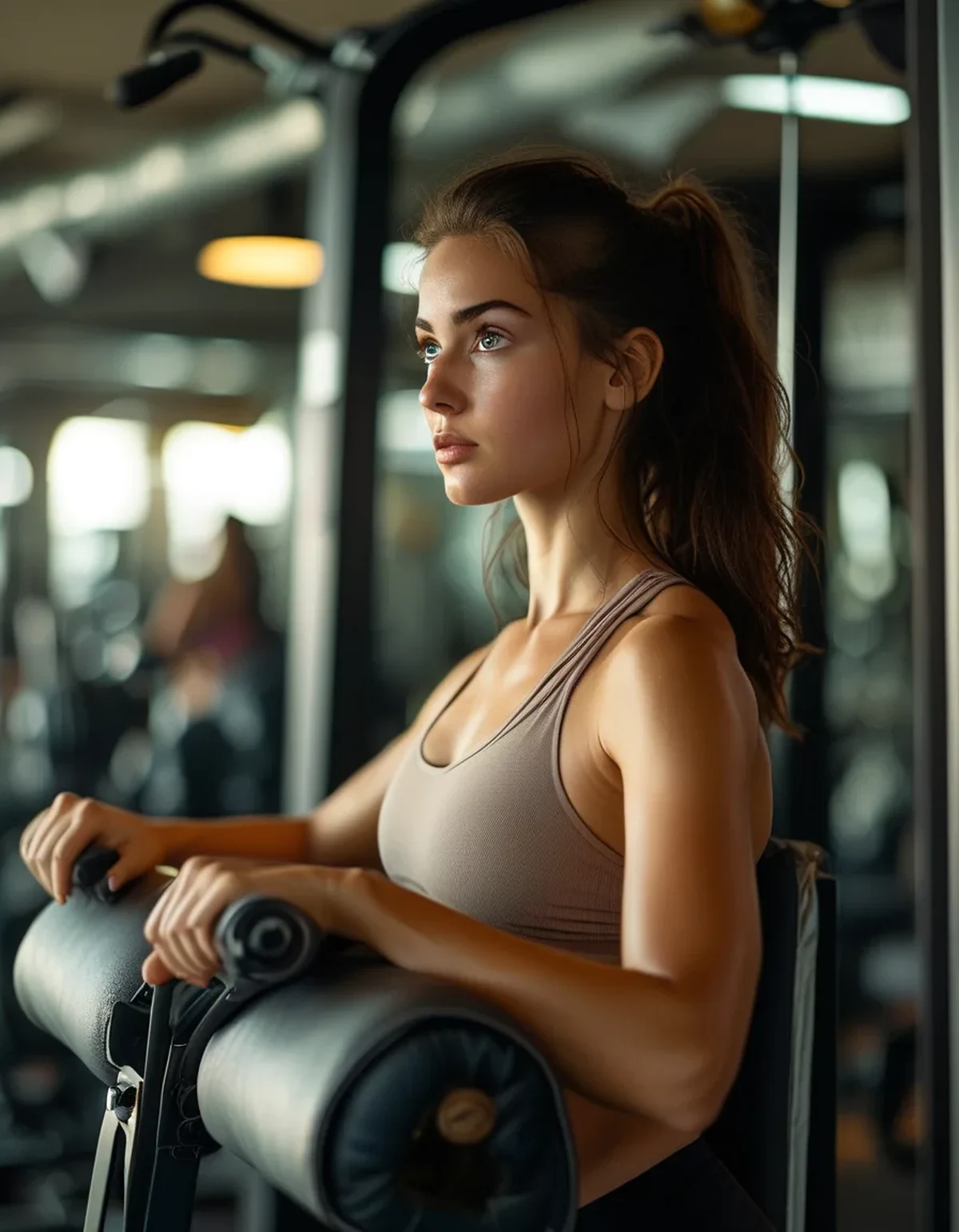
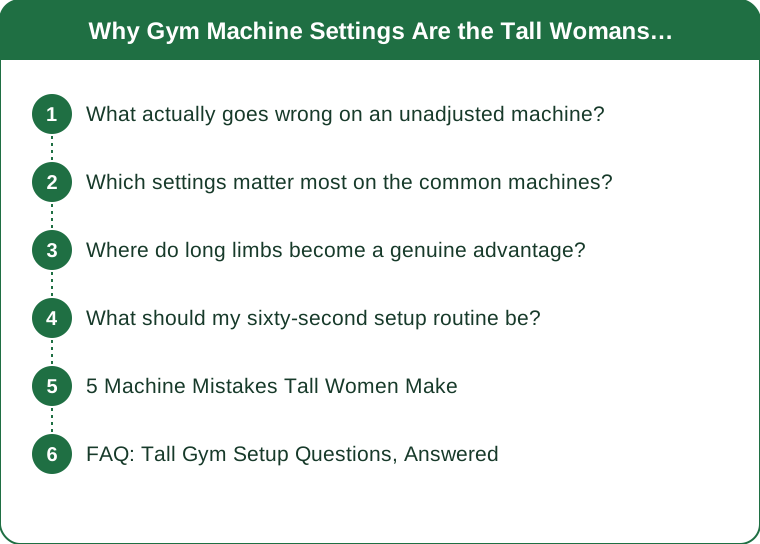
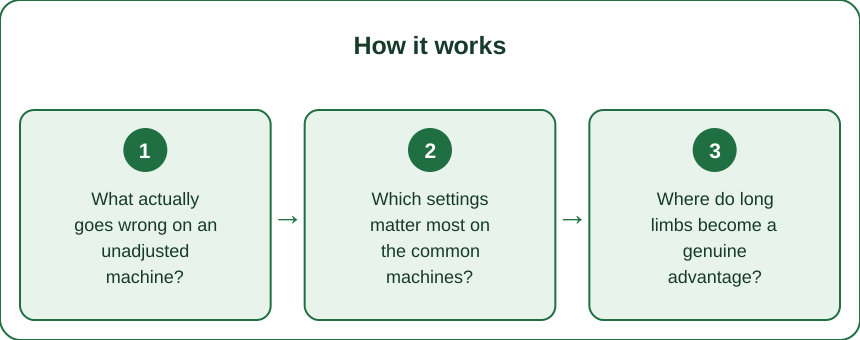
What actually goes wrong on an unadjusted machine?
Your joint sits out of line with the machine’s pivot, which is the single most important setting on any rotary machine and the one most often ignored.
When the axis is misaligned, the resistance curve is wrong - the machine loads you hardest at a point that is not where the muscle is strongest.
Effective range shortens, because the machine reaches its stop before your longer limb reaches the end of its range.
Load shifts to the wrong tissue, typically to the joint and the connective tissue rather than the target muscle, which is both less effective and less comfortable.
And the exercise stops matching what it is supposed to train, which is why machine work can feel like nothing is happening.
None of which is a limb length problem. It is a setup problem that limb length exposes.
Which settings matter most on the common machines?
Seat height, on almost everything. On a chest press it sets whether you press from mid-chest or from the shoulders; on a lat pulldown it determines whether your thighs are secured at all.
Pivot alignment on leg extension and leg curl, where the knee joint should line up with the machine’s rotation point. This is marked on most machines and checked by almost nobody.
Back pad depth on chest and row machines, which sets your starting range and is what determines whether a longer arm gets any stretch at the start.
Lever or handle length where adjustable, which many machines offer and which is genuinely designed for exactly this.
Range limiters, which most people never touch and which can extend the usable range rather than only restricting it.
And foot plate position on leg press and rowers, which changes the effective range for a longer leg substantially.
Where do long limbs become a genuine advantage?
Range of motion, once the machine is set correctly. A longer limb moves through a greater distance, which means more work done per repetition at the same load.
Deadlifts and hip hinge patterns, where a longer femur and longer arms can be an advantage in some setups, particularly with a wider stance.
Rowing, where a longer stroke means more distance per stroke and is one of the clearer physical advantages at height.
Cable work generally, which is the most adaptable equipment in a gym and where limb length simply changes where you stand.
Pull-up and hanging work is harder, honestly, because of the leverage - which is a real trade rather than a setup issue.
And free weights are frequently the better answer, since they impose no fixed geometry at all.
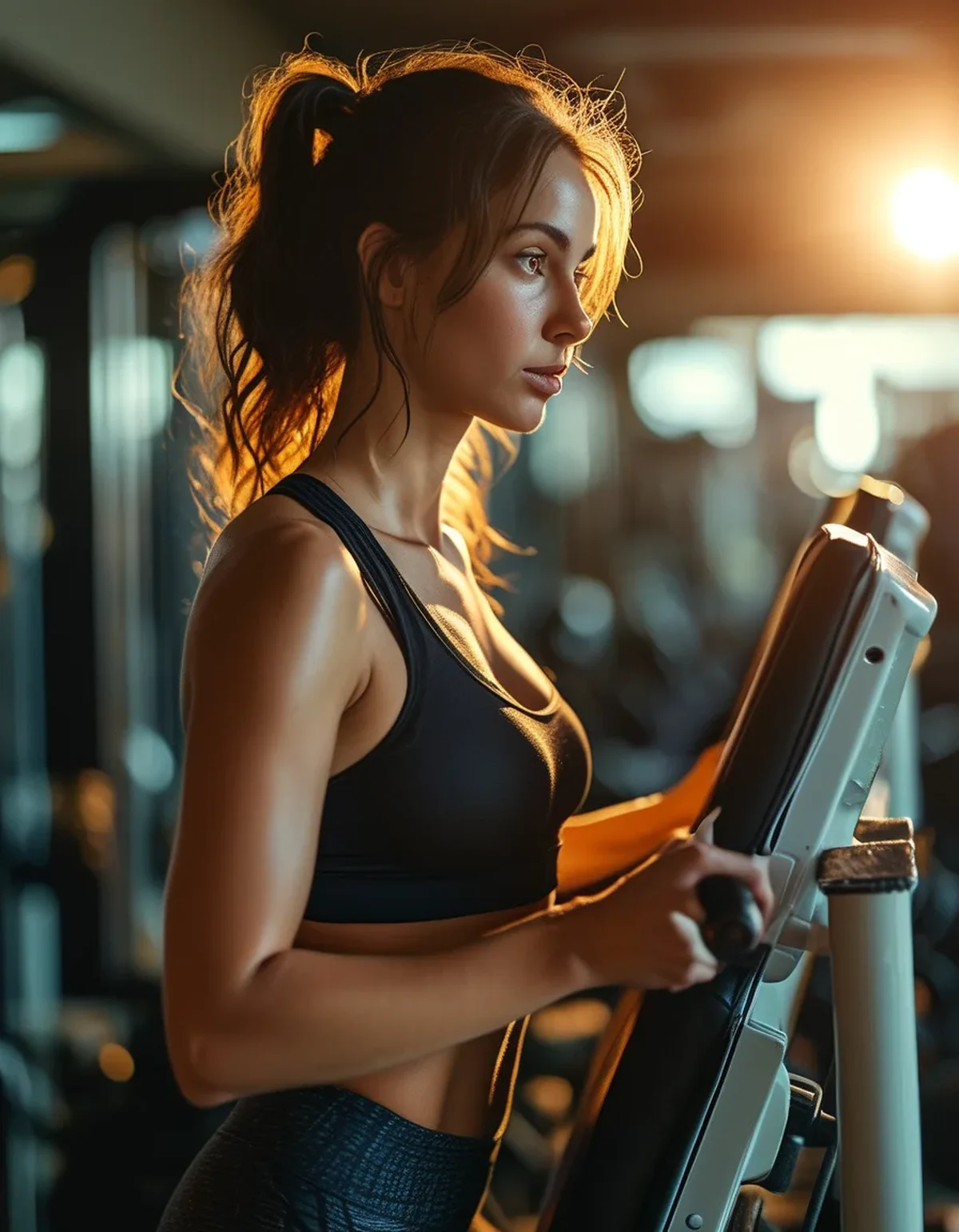
What should my sixty-second setup routine be?
Set seat height first, so the working joint lines up with the machine’s pivot or the handles line up with the correct part of your torso.
Set back pad or seat depth second, which determines your starting range.
Check the pivot alignment visually on any machine with a rotation point, which takes about five seconds once you know to look.
Do one light rep and watch where the machine stops relative to where your limb wants to stop, and adjust range limiters if the machine has them.
Write down the numbers. Every machine has numbered settings, and recording yours removes the setup time entirely on future sessions.
And expect to change what the previous user left, every time, which is the habit rather than the technique.
5 Machine Mistakes Tall Women Make
1. Accepting the previous user’s settings. The most common and most costly habit. Machines are left where the last person had them, and if you are noticeably taller than average that setting is wrong for you nearly every time.
2. Only adjusting seat height. Most machines have three to five adjustment points. Seat height is the visible one, but back pad depth and pivot alignment matter as much and are almost never touched.
3. Assuming the machine cannot fit you. Many machines have more adjustment range than people realise, including lever length and range limiters that are not obvious. Reading the placard takes twenty seconds.
4. Concluding you are not suited to machines. What is usually happening is that misaligned machines feel bad, and a run of misaligned machines produces a general belief. Correctly set machines feel entirely different.
5. Not writing the settings down. Every machine has numbers on it. Recording yours turns a sixty-second setup into a five-second one and removes the main reason people skip adjusting.
And the bonus: not using free weights and cables more. Both impose no fixed geometry, which makes them naturally well-suited to any limb length. If a gym’s machines genuinely do not adjust far enough, that is the answer rather than a compromise. This is general information, not medical advice.
FAQ: Tall Gym Setup Questions, Answered
How do I know if a machine is set right for me?
The working joint should line up with the machine’s pivot, and the movement should feel strongest where your muscle is strongest. If the resistance feels wrong at one end of the range, alignment is usually the reason.
Which single setting matters most?
Seat height, because it determines both pivot alignment and where the handles meet your body. It affects nearly every other aspect of the setup.
Are machines worse than free weights when tall?
Unadjusted, yes. Correctly adjusted, they are perfectly effective. Free weights and cables impose no fixed geometry and are a good default when a machine will not adjust far enough.
Do longer limbs mean I lift less?
On some movements, yes, because of leverage - pull-ups and pressing are common examples. On others the greater range means more total work at the same load, which is a training advantage rather than a deficit.
What if a machine will not adjust far enough?
Use the cable or free weight equivalent. Forcing a movement into a machine that does not fit is how joints get loaded instead of muscles.
Should I record my settings?
Yes. Every machine has numbered positions, and a note on your phone turns setup into a five-second task rather than a reason to skip it.
Does this apply to cardio machines too?
Very much so. Rower foot plates, bike seat height and cross trainer stride settings all matter, and tall users are frequently on defaults that shorten their stroke. This is general information, not medical advice.
TL;DR:
- Unadjusted machines misalign your joint with the pivot, shorten range and load the wrong tissue.
- Most machines have three to five adjustment points and most people change one.
- Set seat height, then back pad depth, then check pivot alignment - about sixty seconds total.
- Write the numbers down; it turns setup into a five-second task on future sessions.
- Long limbs are an advantage in range of motion and rowing, and a genuine disadvantage in pull-ups.
You are not bad at machines - you have been doing a shorter person’s workout. This is general information, not medical advice.
Keep Reading
This article is for general informational and styling purposes only. Fit, sizing, and product availability may vary.